 How-to
7 Steps to Prevent Burst Pipes in Winter
Quick Summary
To prevent burst pipes in winter, keep your heat on at no less than 55 degrees, even when you are away, and open cabinet doors under sinks on exterior walls so warm air reaches the pipes. Locate your main water shutoff valve before the cold arrives. Disconnect garden hoses and close the indoor valve for each outdoor faucet.
- Set the thermostat to at least 55 degrees, even when away from home.
- Find your main water shutoff valve now and confirm you can turn it by hand.
- Let a faucet drip slowly on the coldest nights to keep water moving.
- Disconnect garden hoses and close the indoor valve for each outdoor faucet.
- Wrap exposed crawl space pipes with foam sleeves or fiberglass insulation.
Table of Contents
- Prevent Burst Pipes in Winter Before the Temperature Drops
- How to Keep Pipes From Freezing in Crawl Space and Other Cold Areas
- What Temperature Should You Run Water to Keep Pipes From Freezing, and When to Call a Plumber
- Frequently Asked Questions
Prevent Burst Pipes in Winter Before the Temperature Drops
Last Updated: November 18, 2026
A burst pipe can flood a home in minutes, and repairs cost far more than prevention, so learning how to prevent burst pipes in winter pays off.
Check the forecast. Once temperatures stay near or below freezing, work through these steps in order:
- Keep heat on, even away from home; set the thermostat to at least 55 degrees.
- Find your main water shutoff valve now and confirm you can turn it by hand.
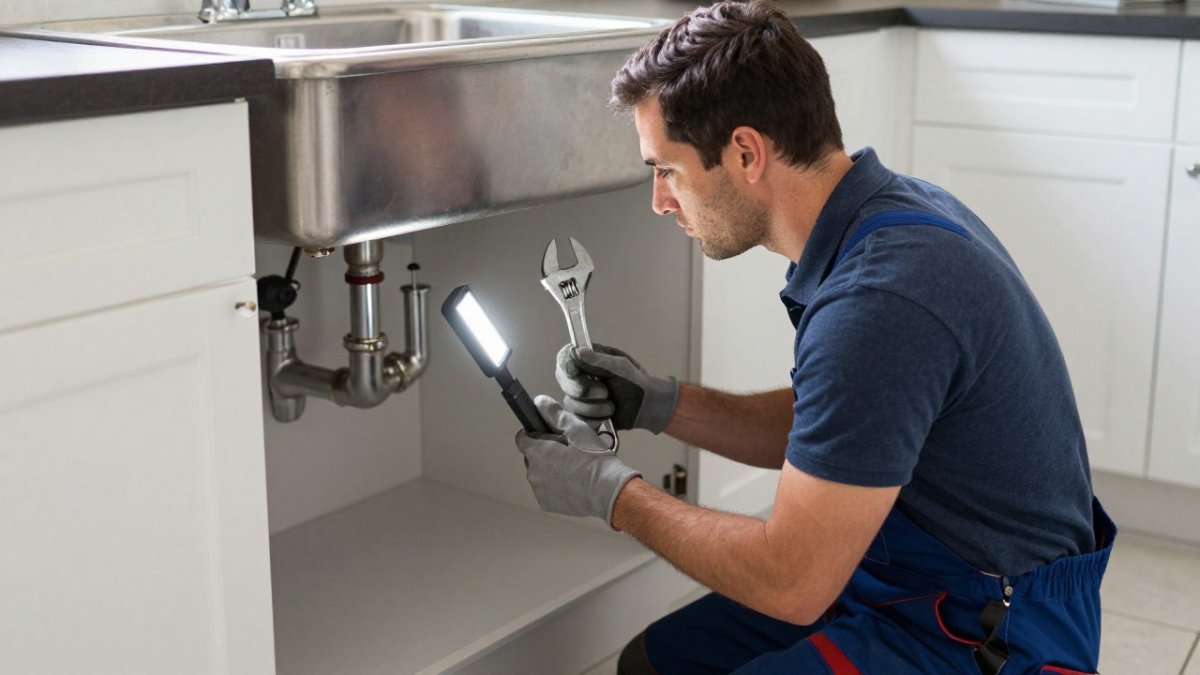
- Open cabinet doors under sinks on exterior walls so warm air reaches the pipes.
- Let a faucet drip slowly on the coldest nights; moving water is harder to freeze.
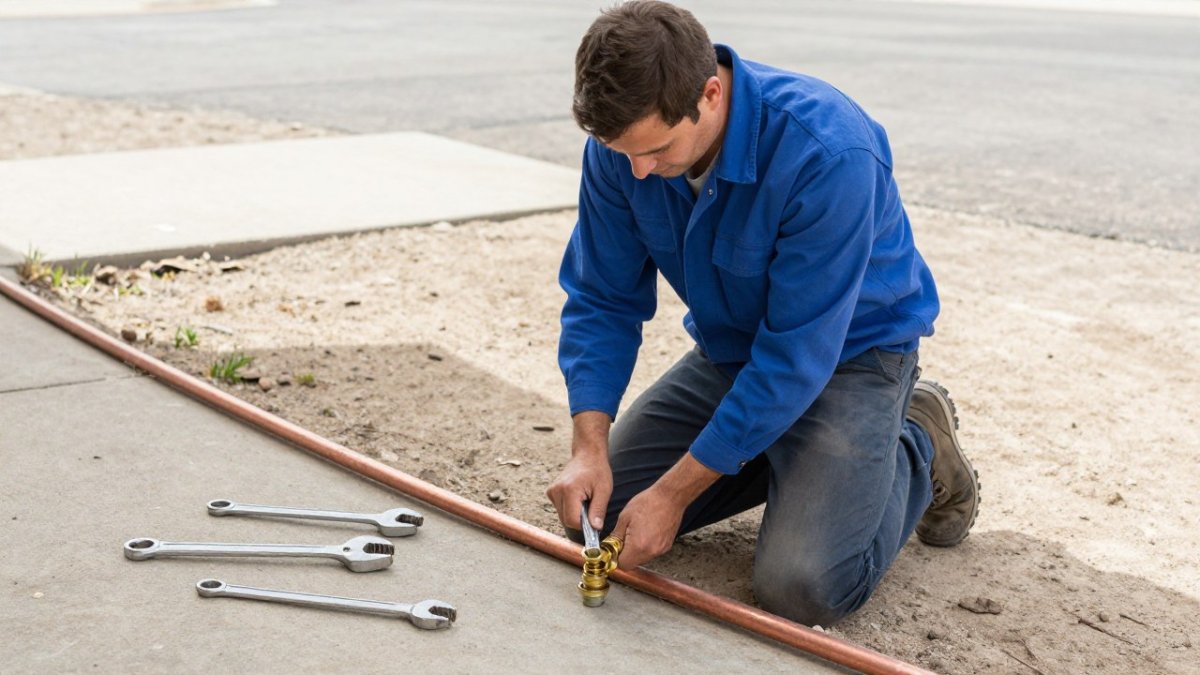
- Disconnect garden hoses and close the indoor valve for each outdoor faucet.
Never leave a space heater running unattended near pipes or cabinets, it can start a fire.
Check the hidden spots too. Pipes in attics, garages and exterior walls freeze first. If you find a crack, bulge or slow drip, shut off the main valve and call a plumber.
For early warning signs, read 9 signs of a burst pipe and water damage to check now. If a pipe has already burst, what to do when a burst pipe floods your home covers the first steps.
Here are the key winter prevention steps from this guide, at a glance.
| Step | What to do | Time or frequency |
|---|---|---|
| Keep heat on | Set thermostat to at least 55 degrees | Even when away from home |
| Find main shutoff | Locate valve and confirm you can turn it by hand | Now, before the cold |
| Open cabinets | Open cabinet doors under sinks on exterior walls | Warm air reaches pipes |
| Drip faucets | Let a faucet drip slowly | On the coldest nights |
| Disconnect hoses | Disconnect garden hoses, close indoor valve | Each outdoor faucet |
How to Keep Pipes From Freezing in Crawl Space and Other Cold Areas
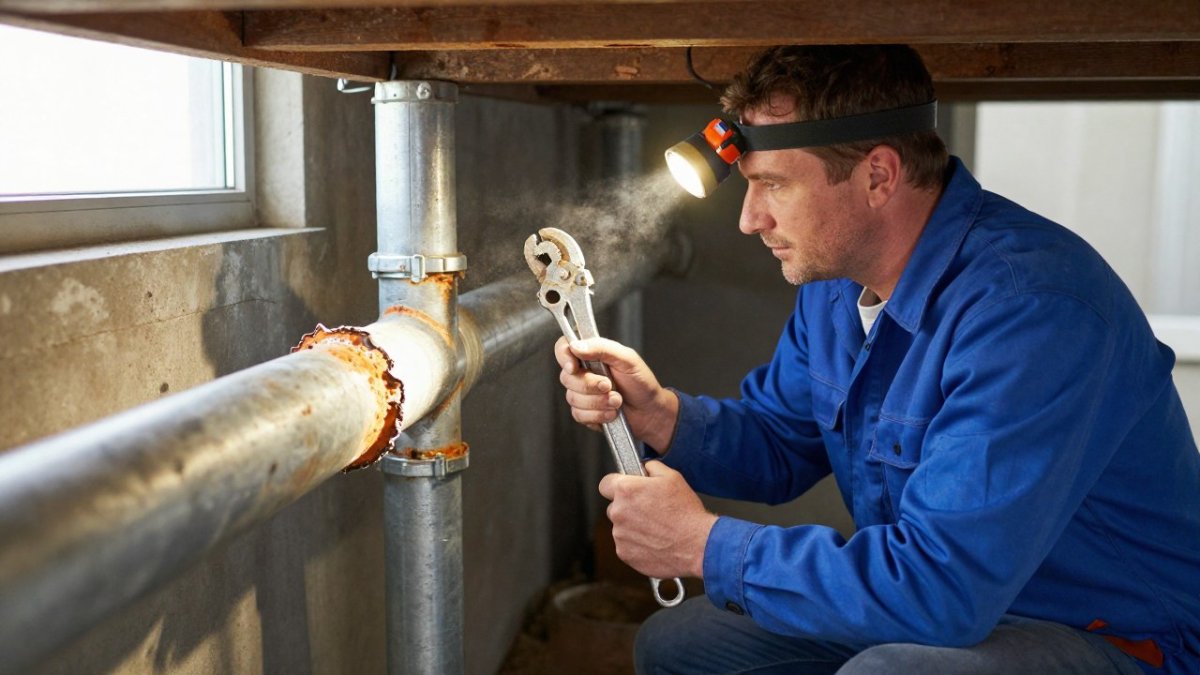
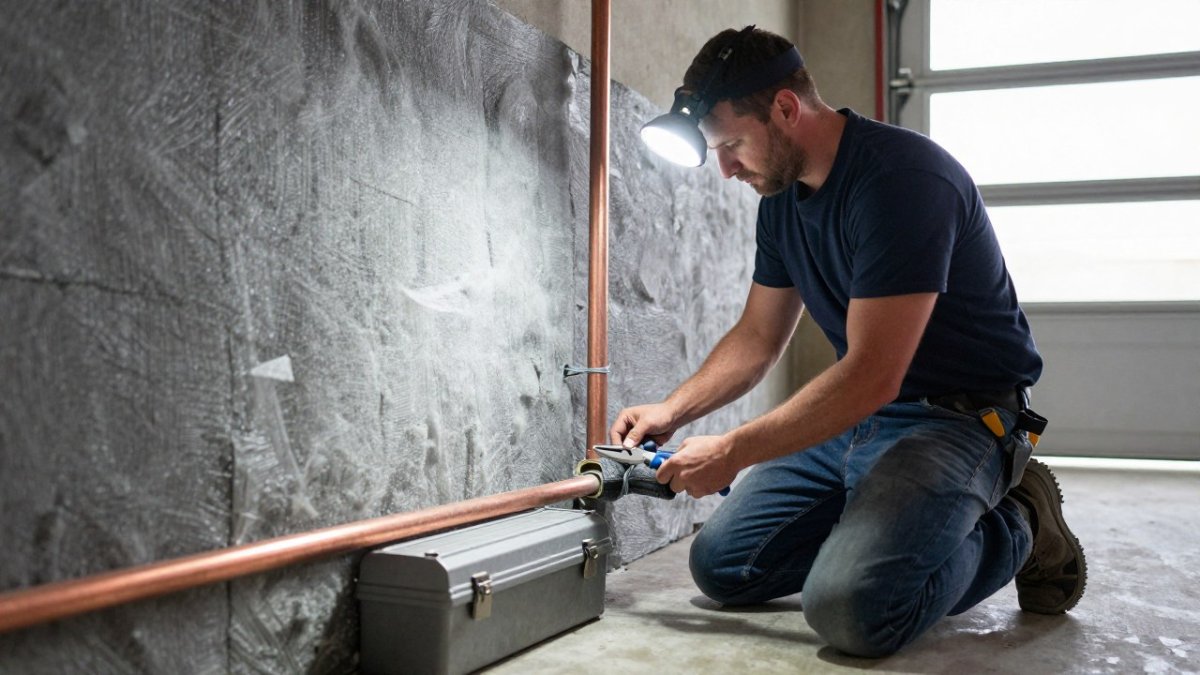
Crawl spaces are a common freeze spot because cold air blows in through vents and gaps. Wrap exposed pipes with foam sleeves or fiberglass insulation, and seal gaps where cold air enters.
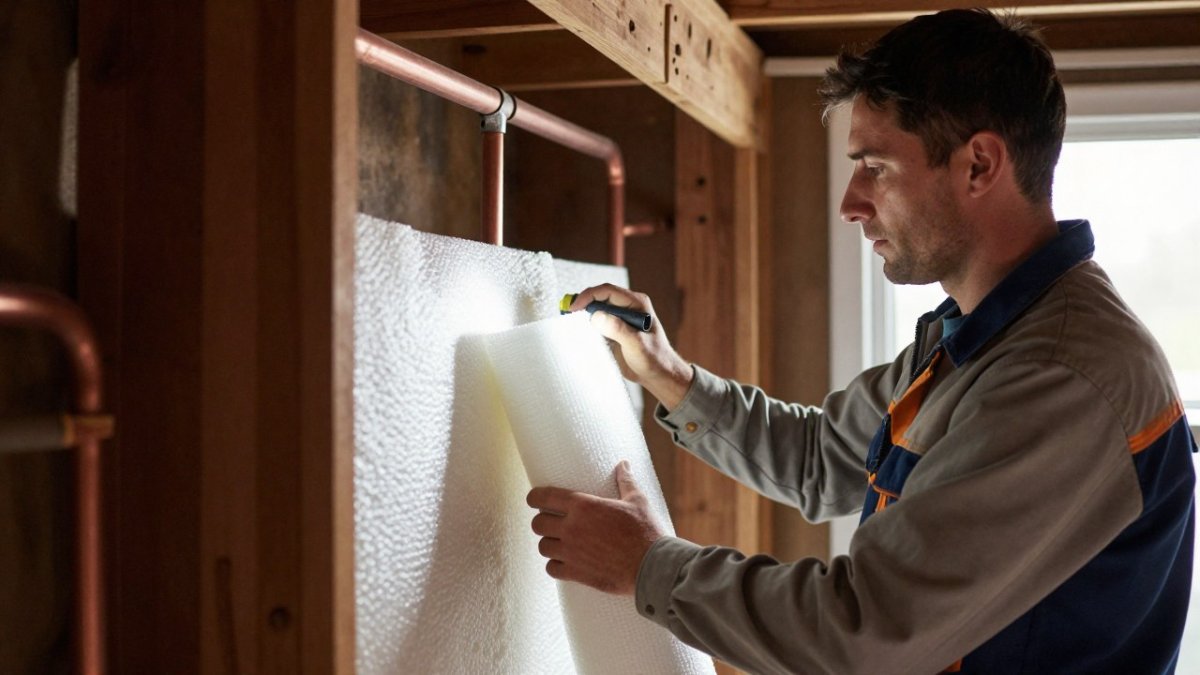
Follow the manufacturer's instructions and use only cable rated for pipes, plugged into a ground-fault-protected outlet.
What Temperature Should You Run Water to Keep Pipes From Freezing, and When to Call a Plumber
Let cold water drip slowly rather than running it hard.
If a faucet gives no water or only a thin stream, don't force the tap. Shut off the main valve if you can and call a licensed plumber. Never thaw a pipe with an open flame, use only warm air from a hair dryer or heating pad.
For a qualified professional, see how to find reliable local plumbers: a vetting guide. For emergency help, emergency plumbing repair: what to do first explains what to expect.
Frequently Asked Questions
At what temperature do pipes typically freeze?
Pipes are at risk when outdoor temperatures drop to around 20 degrees Fahrenheit and stay there for several hours, especially in uninsulated areas. Pipes in exterior walls, attics, garages, and crawl spaces can freeze even when indoor rooms feel comfortable. Keeping the home thermostat at 55 degrees Fahrenheit or higher helps protect plumbing during cold snaps, and the risk rises sharply as temperatures stay below freezing for longer periods.
Should I leave my faucets dripping during a freeze?
Yes, letting a faucet drip with a slow trickle of cold water keeps water moving through the line, which makes freezing much less likely. The trade-off is a higher water bill, so it is best used during the coldest nights rather than all winter. Open the cabinet doors beneath sinks on exterior walls too, so warm room air reaches the pipes.
How do I thaw a frozen pipe safely?
Turn on the faucet so melting water has an exit, then warm the frozen section with a hair dryer or heat cable, moving from the faucet end toward the frozen spot. Never use an open flame or a torch, which can burst the pipe or start a fire. If you cannot locate the frozen section, see no water after an hour of gentle heating, or notice bulging or leaking pipes, shut off the main water valve and call a licensed plumber.
Does turning off the main water valve prevent pipe damage?
Shutting off the main water valve stops water from flowing into the house, which limits damage if a pipe does burst while you are away. Drain the remaining water by opening the lowest faucet and the highest faucet. This is especially useful for vacant homes, rentals, and vacation properties, where a burst pipe can go unnoticed for days.