 How-to
Preventing Low Water Pressure Symptoms at Home
Quick Summary
Preventing low water pressure at home means catching early signs, such as slow faucet fills or weak showers, and checking whether the problem is local or whole-house. Clean aerators and showerheads every 6 to 12 months, confirm the main shutoff valve is fully open, and repair visible leaks. Test pressure with a gauge yearly, and call a plumber if the problem continues.
- Test one fixture: a healthy faucet fills a 1-quart measuring cup in roughly 5 to 8 seconds.
- Typical residential pressure falls within 40 to 80 psi; below 40 psi counts as low.
- Clean aerators and showerheads every 6 to 12 months by soaking them in white vinegar.
- Check the meter with all fixtures off; any movement suggests a hidden leak.
- Have a licensed plumber check the pressure-reducing valve, which usually keeps pressure at 50 to 60 psi.
Table of Contents
- Early Signs of Low Water Pressure to Watch For
- Diagnosing Whether One Fixture or the Whole House Is Affected
- How to Fix Low Water Pressure in a House Before It Spreads
- Sudden Low Water Pressure: What Usually Causes It and What to Check First
- Scheduling Routine Checks to Keep Pressure Steady
- Frequently Asked Questions
Early Signs of Low Water Pressure to Watch For
Last Updated: November 20, 2026
Low water pressure rarely shows up all at once.
Watch for these common symptoms:
- Showers that feel like a light trickle
- Faucets that fill slowly, even when turned all the way on
- Toilets that take longer than usual to refill
Each sign points to a different cause. One weak fixture usually means something local, like a clogged aerator.
Watch out: Do not ignore a sudden, steep drop in pressure. It can signal a burst or leaking pipe, and water can cause serious damage fast.
Pay attention to patterns. Morning-only problems point to demand; all-day problems point to a supply or equipment issue.
Diagnosing Whether One Fixture or the Whole House Is Affected
The first real question is scope: is the low pressure limited to one fixture or throughout the house? Your answer narrows the likely causes and tells you which prevention steps are worth doing now.
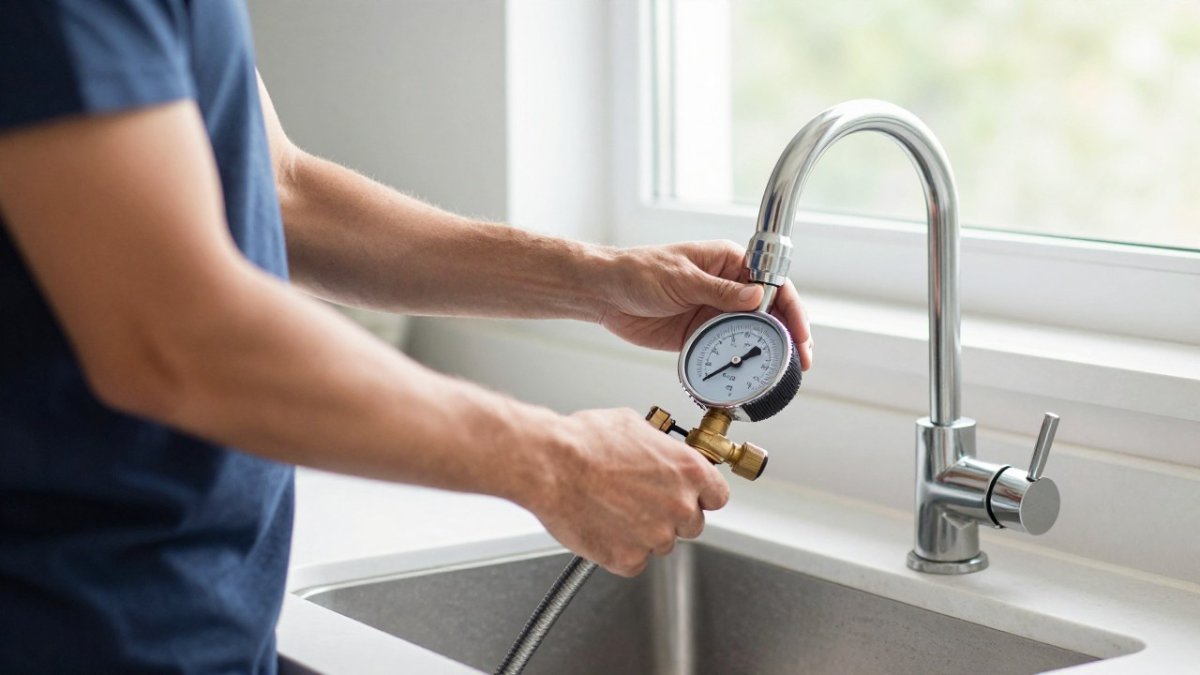
Run this sequence in order. It takes about ten minutes and costs nothing.
- Single-fixture test. Turn the cold tap on full at the kitchen sink and time how long it takes to fill a 1-quart measuring cup. Repeat at the bathroom sink, tub, and an outdoor hose bib. A healthy fixture fills that quart in roughly 5 to 8 seconds. If one spot is dramatically slower, the problem is local.
- Simultaneous-fixture test. Open the shower and flush a toilet at once. A modest dip is normal; a collapse to a trickle points to a supply-side restriction or undersized piping.
- Gauge test. Screw a hose-bib pressure gauge onto an outdoor spigot, open the valve fully, and read the needle with no other water running. Typical residential pressure falls roughly within 40 to 80 psi; below 40 psi is low, and above 80 psi stresses supply lines and fixtures. Record the number and date.
- Meter test. With every fixture off, note the meter reading, wait 30 minutes, and read again. Any movement means water is escaping, a running toilet flapper, a slab leak, or an irrigation break.
Watch out: Never attach a gauge to a boiler drain, water-heater drain, or any fitting not rated for full line pressure, and never leave a gauge on a spigot through a freeze, trapped water can split the gauge or the valve.
Reading the Results: A Simple Decision Tree
- One fixture weak, others normal → local cause. Clean the aerator or showerhead, then check the fixture's supply stop valve. Prevention: clean aerators on a schedule and replace washer-style stops that no longer open fully.
- All fixtures weak, gauge below 40 psi, no meter movement → supply-side restriction. Check that the main shutoff is fully open, then suspect the pressure-reducing valve, a partially closed curb-stop, or a municipal supply change. Prevention: annual gauge readings to catch slow drift.
- All fixtures weak, gauge normal, meter moves with everything off → hidden leak. Shut off the main and call a plumber. Prevention: monthly meter checks and a quick look at the water bill.
Single-Fixture Problems: Faucets, Showerheads and Aerators
Most single-fixture problems come from mineral buildup or debris. Hard water leaves calcium and magnesium deposits inside aerators and showerhead nozzles, slowly choking the flow.
Here is how to check:
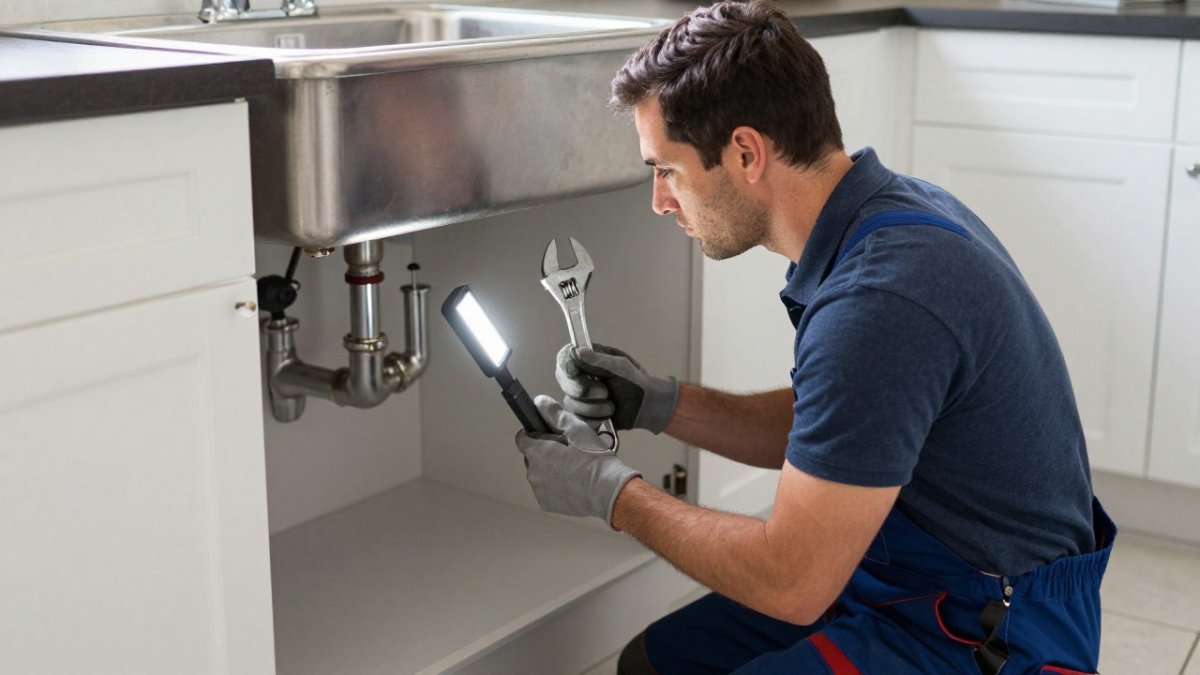
- Unscrew the aerator at the faucet tip by hand or with padded pliers.
- Look for grit, scale, or a clogged screen.
- Soak it in white vinegar for 30 minutes, then rinse and scrub with an old toothbrush.
- Clean the showerhead the same way, using a plastic bag of vinegar tied over the head; leave it overnight for heavy scale.
A common mistake is replacing the whole fixture when a five-minute cleaning would solve the problem. Try cleaning first.
Whole-House Problems: Valves, Leaks and Pressure Regulators
Next, look for signs of leaks. Damp spots in the yard, a water meter that keeps moving when no water is running, or unexplained rises in your water bill all point to a hidden leak.
Finally, check the pressure-reducing valve (PRV), if your home has one. It keeps incoming pressure at a safe level, usually 50 to 60 psi.
The table below summarises the typical pressure ranges and decision outcomes covered in this section.
| Check | Reading | Meaning |
|---|---|---|
| Single-fixture test | 5 to 8 seconds per quart | Healthy fixture fill time |
| Gauge test | 40 to 80 psi | Typical residential range |
| Gauge test | Below 40 psi | Low pressure |
| Gauge test | Above 80 psi | Stresses lines and fixtures |
| Meter test | Any movement with water off | Water is escaping |
| Main PRV setting | 50 to 60 psi | Usual safe incoming pressure |
How to Fix Low Water Pressure in a House Before It Spreads
Fixing low pressure early is cheaper and simpler than waiting. Start with the easy checks, then move to the bigger ones.
- Clean aerators and showerheads every 6 to 12 months
- Confirm the main shutoff valve is fully open
- Look for and repair visible leaks
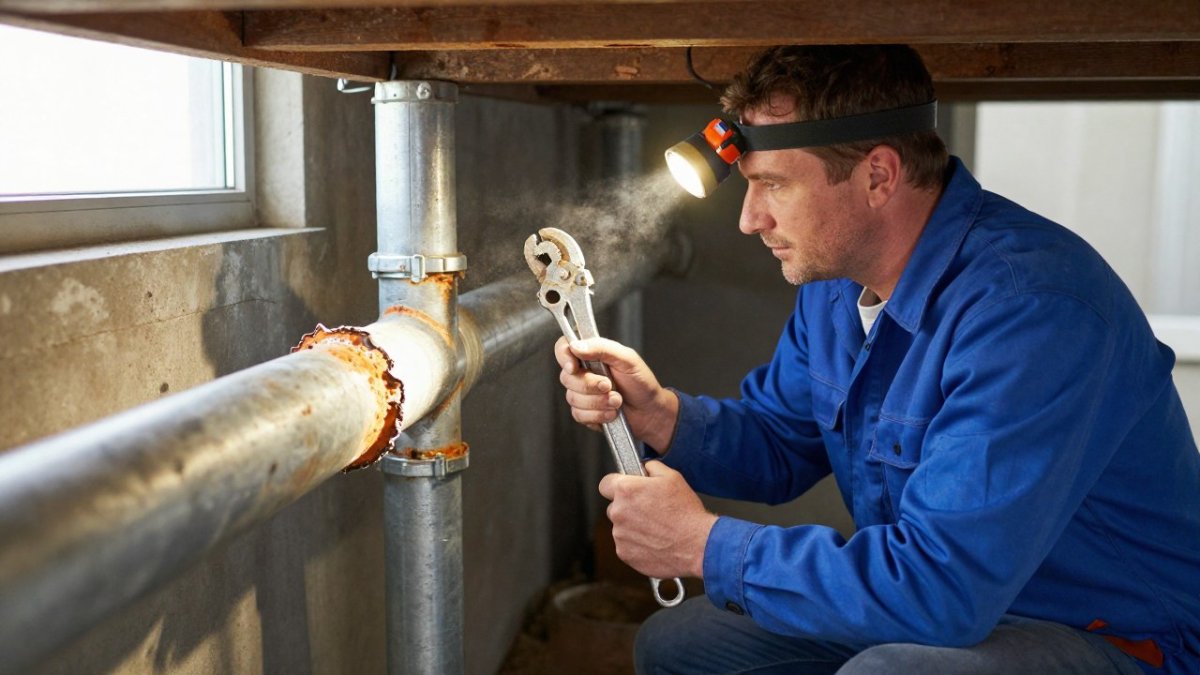
Older homes need extra attention. Replacing corroded sections is a bigger project whose cost depends on pipe length, access, and local conditions. Cost of Replacing Corroded Galvanized Pipes Explained breaks down the factors that drive that price.
Repairs can also fail to hold. If the same problem keeps coming back, the underlying cause is probably still there.
Sudden Low Water Pressure: What Usually Causes It and What to Check First
A sudden drop in pressure is different from a slow decline. If you suspect a ruptured line, What to Do When a Burst Pipe Floods Your Home explains the immediate steps to take.
Check these causes first:
- Municipal supply work: Your water utility may be repairing a main. Call them to ask.
- A burst or leaking pipe: Look for wet ceilings, walls, or floors, and listen for hissing.
- A closed valve: Make sure no one has partly closed the main shutoff valve.
If you see water leaking inside your home, shut off the main water valve right away. Then call a plumber. Quick action can limit water damage.
For urgent help, contact a licensed plumber directly. Emergency Plumbing Repair in Hemet: What to Do First outlines the first steps to take while you wait for help.
Scheduling Routine Checks to Keep Pressure Steady
Prevention works best on a schedule. A simple routine catches problems before they reach your fixtures, and turns vague worry into a written record you can hand to a plumber.
Monthly Checks (10 minutes)
- Meter check. With all fixtures off, confirm the meter dial is still. Any creep means a leak is developing.
- Visible leak scan. Look under sinks, around the water heater, and at the base of toilets for dampness or staining.
- Bill review. Compare the current water bill to the same month last year. A jump with no change in habits is an early warning.
Seasonal Checks (twice a year, spring and fall)
- Main shutoff valve. Close and reopen it fully so it does not seize. Confirm it is fully open afterward.
- Fixture stop valves. Under each sink and behind each toilet, turn the stop valve closed and open again to keep it operable.
- Outdoor spigots and hose bibs. Before the first freeze, shut off and drain exterior lines; in spring, check for splits.
Annual Checks (once a year)
- Pressure gauge reading. Attach a hose-bib gauge and record the psi. A drop of 10 psi or more, or a reading outside 40 to 80 psi, warrants a closer look.
- Water heater flush. Sediment buildup can affect flow and efficiency; follow the manufacturer's instructions or have a plumber do it.
- Well equipment (if applicable). Have the pressure tank air charge, pump cycling, and pressure switch checked. Short cycling is an early sign of a failing tank.
Every 2 to 3 Years
- Professional system inspection. A licensed plumber can check the PRV, look for corrosion in older galvanized or copper lines, and test pressure at multiple points. This is the check that catches problems before they become emergencies.
What Homeowners Should Not DIY
Some jobs are worth paying for. Leave these to a licensed plumber:
- Adjusting or replacing a pressure-reducing valve
- Any work on a concealed leak inside a wall, slab, or ceiling
- Replacing corroded or undersized supply piping
Watch out: Do not open a PRV adjustment screw without a gauge attached, a quarter turn can push household pressure past 100 psi and cause leaks at every joint in the system.
Keep a Log
Write down the date of each check, the gauge reading, and anything unusual. Over a year or two, the log shows slow trends, a pressure reading drifting down, a bill creeping up, that you would otherwise miss.
Keeping your water pressure steady comes down to noticing small changes early. If your home shows persistent weak flow, reach out to Aim plumbing California for an inspection.
Frequently Asked Questions
What to do when your water pressure is too low?
Start by checking whether the problem affects one fixture or the whole house. If only one faucet or showerhead is weak, clean or replace its aerator and check that its fixture valve is fully open. If every fixture is weak, check the main shutoff valve, look for visible leaks on accessible pipes, and read the pressure at an outdoor hose bib with a gauge. Normal residential pressure is typically between 40 and 80 psi. If readings stay low or the cause is unclear, call a licensed plumber rather than opening walls or adjusting the pressure-reducing valve yourself, since working on a PRV without the right gauge can damage fixtures.
What are the signs of low water pressure?
The most common signs are a weak shower spray, slow filling of sinks and tubs, and reduced flow when two fixtures run at once. Pressure that drops suddenly, water that runs discolored, or a noticeable change in flow when someone else uses water elsewhere in the home can also point to a supply or pipe problem. Gradual weakening over months often points to mineral buildup in fixtures or a partially closed valve. Catching these signs early makes the cause easier to find and the repair cheaper.
How can I tell whether low water pressure is caused by a well system?
If your home runs on well water, check whether the pressure drops in cycles and whether the pump runs longer than usual. Pump cycling, a waterlogged or failing pressure tank, or a worn pressure switch can all cause weak flow. Compare the pressure with the switch setting on the tank. Well equipment work involves electrical and pressurized components, so schedule a licensed well technician for pump or tank repairs.
Can low water pressure damage appliances?
Low pressure itself rarely damages appliances, but it can cause problems. Dishwashers and washing machines may not fill fully, which can lead to poor cleaning and longer cycles. Water heaters may heat unevenly if flow is restricted. Pressure that swings up and down can also stress hoses and valves over time, so address the underlying cause rather than only the symptom.