 How-to
How to Tell If Your Galvanized Pipes Are Corroded
Quick Summary
Signs of corroded galvanized pipes include brown, orange, or cloudy tap water, a metallic taste, and low water pressure that keeps getting worse. Rust flakes, recurring leaks, and slow drains are also warning signs. Corrosion usually starts inside the pipe, so check for these symptoms before rust shows on the outside.
- Run the cold tap for two to three minutes; if the water clears, the discoloration likely came from the pipes.
- Hold a magnet against the pipe; galvanized steel is magnetic, so it should stick firmly.
- Flaking, bubbling, or pitting on the pipe surface means the zinc coating has failed.
- Shut off the main water valve and call a professional right away if a leak appears near a pipe joint.
- Get at least two written estimates before agreeing to any repair or replacement work.
Table of Contents
- How to Tell If You Have Galvanized Pipes
- Signs Your Galvanized Pipes Are Corroded
- Corroded Galvanized Pipe Repair: Your Options and Next Steps
- Galvanized Pipe Lifespan and When to Call a Professional
- Frequently Asked Questions
How to Tell If You Have Galvanized Pipes
Last Updated: November 22, 2026
Galvanized pipes are steel pipes coated with zinc to slow rust. If your home was built before the 1960s, there is a good chance it has them. This section shows you how to check whether your home has galvanized pipes.
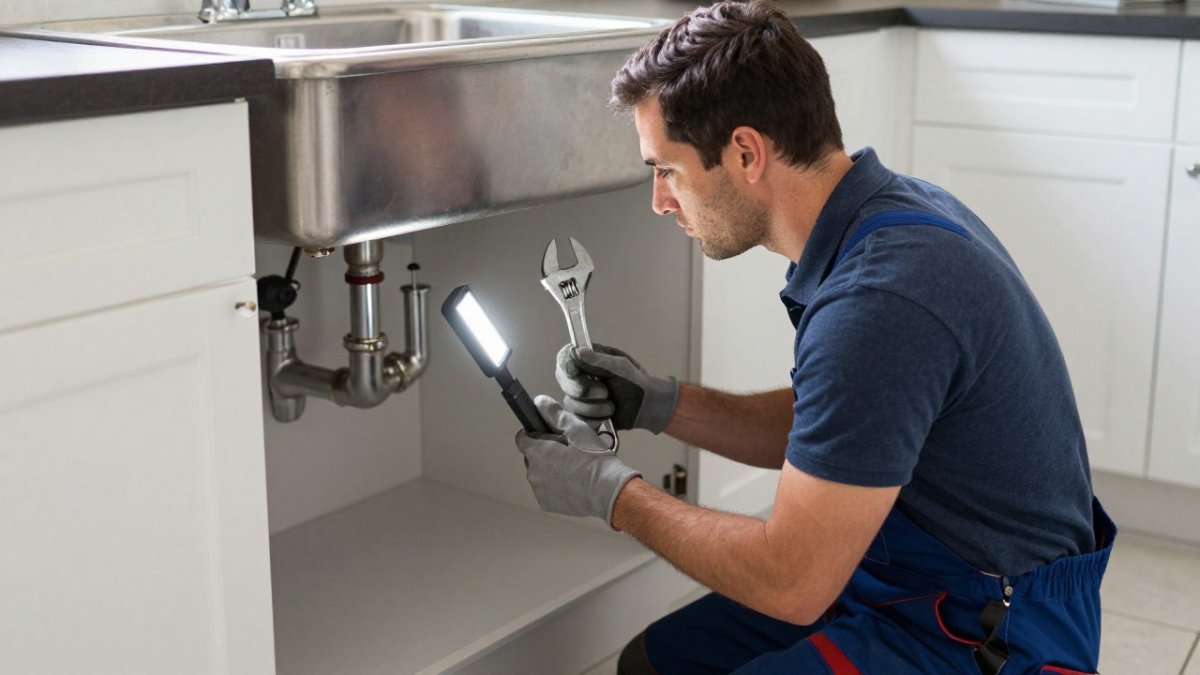
Start with the pipe itself. Look at exposed pipes in your basement, crawl space, utility room, or under the kitchen sink.
- Galvanized pipes look dull gray and have a slightly rough, textured surface
- They often have a visible seam running along the length of the pipe
- Threaded joints look dark gray or silver and may show some rust
- Copper pipes look reddish-brown and feel smooth
- PVC and PEX pipes are plastic and usually white, cream, or blue
Try the magnet test. Hold a magnet against the pipe. Galvanized steel is magnetic, so the magnet should stick firmly. Copper and plastic will not attract it.
Check the age of your home too. Many homes from the early to mid-1900s were plumbed with galvanized steel. If you are unsure, ask a licensed plumber to confirm before you start any repair.
Signs Your Galvanized Pipes Are Corroded
Corrosion usually starts inside the pipe, long before you see rust on the outside. Watch for these warning signs:

- Brown, orange, or cloudy water from the tap, especially first thing in the morning
- Metallic taste or odor in your drinking water
- Low water pressure that gets worse over time
- Rust flakes or stains around pipes, fixtures, or drains
- Recurring leaks or small water stains on walls and ceilings
- Slow drains and frequent clogs
Run the cold tap for two to three minutes. If the water clears, the discoloration likely came from the pipes. Water that stays discolored may point to another cause, so call a plumber to check.
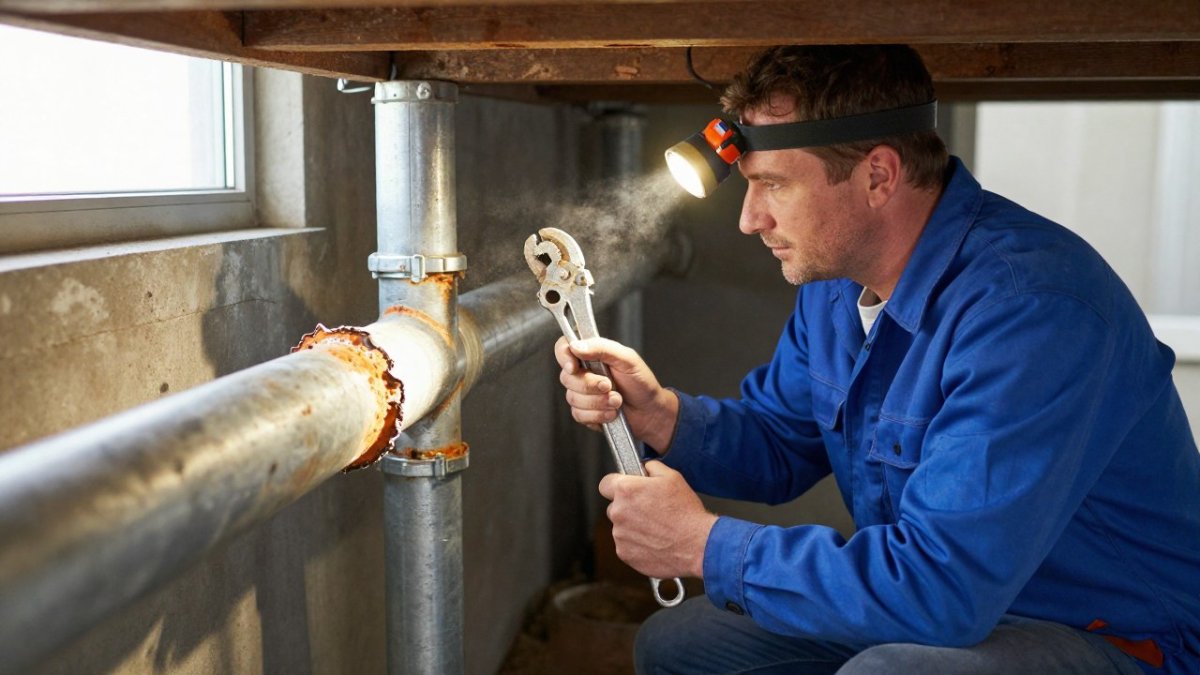
Look closely at the pipe surface too. Flaking, bubbling, or pitting on the outside means the zinc coating has failed and the steel is breaking down.
Watch out: Do not ignore a leak near a pipe joint. Corroded pipes can fail without much warning and cause serious water damage. Shut off the main water valve and call a professional right away.
For more detail on what to do after a leak, read What to Do When a Burst Pipe Floods Your Home.
The article lists warning signs of corrosion and what each one tells you, so you can scan them quickly.
| Warning sign | What it may mean | What to do |
|---|---|---|
| Brown, orange, or cloudy water | Corrosion inside the pipe | Run cold tap 2-3 minutes; call a plumber if it stays discolored |
| Metallic taste or odor | Corrosion affecting drinking water | Check water quality with a plumber |
| Low water pressure that worsens | Pipe narrowing from corrosion | Call a professional |
| Rust flakes or stains | Rust breaking through near pipes or fixtures | Inspect pipes and fixtures |
| Recurring leaks or water stains | Pipe failure at joints or walls | Shut off main water valve; call a professional right away |
| Slow drains and frequent clogs | Possible build-up from corrosion | Have a plumber check the system |
Corroded Galvanized Pipe Repair: Your Options and Next Steps
Repair options depend on how far the corrosion has spread. A plumber can patch a single leak, but patching will not fix a pipe that is corroded throughout.
- Spot repair: Replacing one damaged section can stop a single leak
- Partial replacement: Swapping out the worst sections for newer pipe
- Full repipe: Replacing the whole system with copper, PEX, or PVC
Spot repairs cost less up front. However, if the rest of the pipe is corroded, new leaks will likely follow. A full repipe costs more but ends the cycle of repeated repairs.
Get at least two written estimates before you agree to work. A clear estimate should list the materials and the scope of work. Pricing depends on the pipe length, access, and the material you choose. Visit the Aim Plumbing California website for current pricing or to request a quote for your home.
For help weighing repair against replacement costs, see Cost of Replacing Corroded Galvanized Pipes Explained.
Galvanized Pipe Lifespan and When to Call a Professional
Galvanized pipes often last several decades, but their lifespan depends on water quality, pipe thickness, and how the home has been maintained.
Call a professional when you notice any of these:
- Water discoloration that does not clear after running the tap
- Leaks at joints or fittings
- Pressure loss in more than one fixture
- Rust or flaking on exposed pipe
- Your home is older and you are planning renovations
Before hiring anyone, check licensing, insurance, and reviews. For a simple checklist, read How to Vet a Plumber Before You Hire One. You can also learn more about finding a local plumber in How to Find Reliable Local Plumbers: A Vetting Guide.
Frequently asked questions
How long do galvanized pipes last? Galvanized pipes often last several decades, but many homes with them need repairs or replacement once corrosion sets in. Your pipe's condition matters more than its age.
Are corroded galvanized pipes a health risk? Corrosion can affect water color, taste, and quality. If you notice discoloration or a metallic taste, have your water tested and talk to a plumber about your options.
Ready to check your pipes? Contact Aim Plumbing California for a professional inspection and a clear plan for your home.
Frequently Asked Questions
What happens if a galvanized pipe gets corroded inside?
As the zinc coating wears away, bare steel is exposed to water and oxygen, and rust builds up on the inside of the pipe. This narrows the passage, reducing water flow and pressure, and can release rust particles and metallic taste into your drinking water. Over time, corrosion can thin the pipe wall until it develops pinhole leaks or bursts. If you notice discolored water or a drop in pressure, have a licensed plumber inspect the system rather than waiting for a leak to appear.
How can you tell if a pipe is galvanized?
Galvanized steel pipe has a dull gray, sometimes spangled zinc surface. A simple test is to scratch the pipe with a key: bare steel shows a shiny silver line, while galvanized pipe may look dull. A magnet will stick to galvanized steel. Galvanized pipes are most common in homes built before the 1960s. If you are unsure, a licensed plumber can confirm the material during a visit.
When should galvanized pipes be replaced?
Replacement is usually recommended when corrosion is widespread, when repairs are needed in several places, or when water is consistently discolored or pressure is low throughout the house. Galvanized pipe often reaches the end of its useful life after several decades, depending on water chemistry and conditions. Spot repairs can buy time, but a full repipe is often more cost-effective than repeated emergency fixes. For a specific quote, contact Aim Plumbing California through our website.