 Ultimate guide
Plumbing Maintenance for Rental Units: A Landlord's Guide
Quick Summary
Plumbing maintenance for rental units is the routine inspection, cleaning, and minor repair work that keeps pipes, fixtures, and drains working between tenants. Skipping it usually costs more later, when a small leak becomes rotted cabinets or a backed-up sewer line.
- Run every faucet and shower monthly and watch for slow drainage or water pooling.
- Flush each toilet monthly to confirm the tank stops refilling within about a minute.
- Keep water heater temperature at or below 120°F and flush it each spring to remove sediment.
- Insulate exposed pipes and set vacant units' heat no lower than 55°F before the first freeze.
- Split plumbing costs into routine work and emergency reserves, using at least 24 months of invoices.
Table of Contents
- Why Plumbing Maintenance for Rental Units Protects Your Investment
- Landlord and Tenant Responsibility for Plumbing Repairs
- Common Plumbing Problems in Rental Units and How to Spot Them
- Building a Rental Property Plumbing Maintenance Checklist
- A Plumbing Maintenance Calendar for Rental Units
- Documenting Work With a Rental Property Maintenance Log Template
- Budgeting for Rental Property Plumbing Maintenance Costs
- Handling Tenant Reports, Repair Requests, and When to Call a Plumber
- Scheduling Your First Plumbing Inspection for Your Rental Units
- Frequently Asked Questions
Why Plumbing Maintenance for Rental Units Protects Your Investment
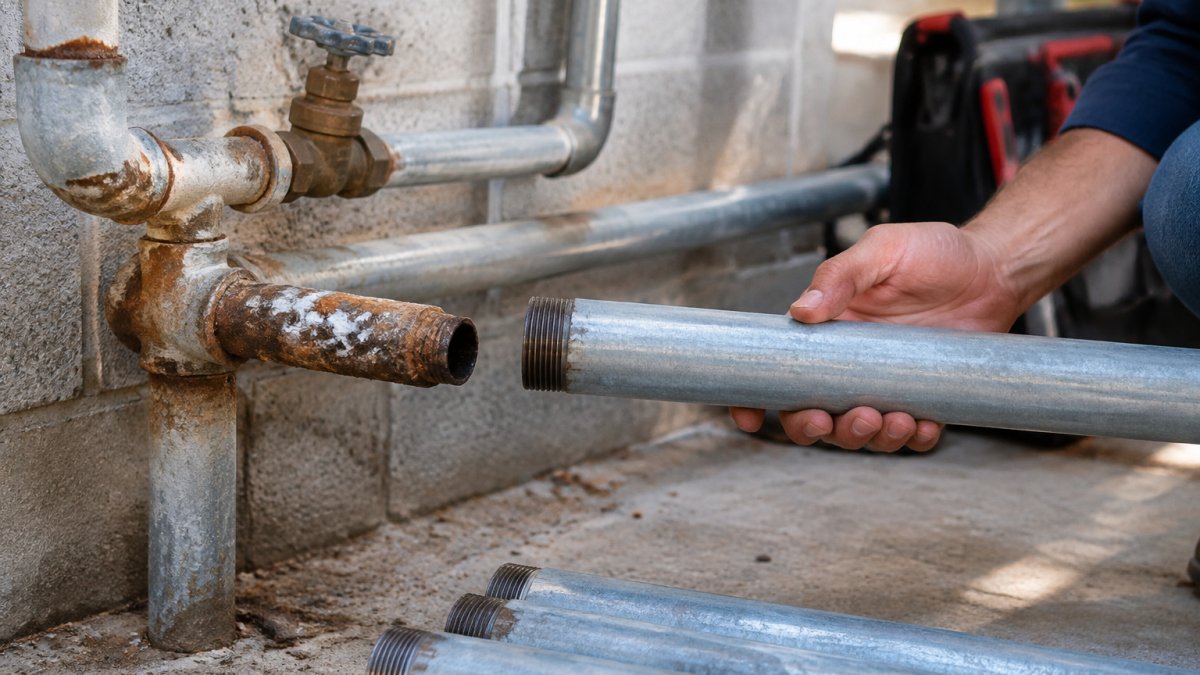
Plumbing maintenance for rental units is the routine inspection, cleaning, and minor repair work that keeps pipes, fixtures, and drains working between tenants. Skipping it rarely saves money. A slow drip under a sink becomes a rotted cabinet floor, and a clogged line becomes a backed-up sewer call on a Saturday night. Learn more about the cost of replacing corroded galvanized pipes if your building still has older plumbing. Small problems caught early generally cost far less than emergencies.
For landlords, the stakes go beyond repair bills. A written maintenance program gives you a record of what was checked and when, which helps when a tenant disputes a repair or an insurance claim is filed.
Landlord and Tenant Responsibility for Plumbing Repairs
Who pays for a plumbing repair depends on your lease, your state's landlord-tenant law, and what caused the problem. Before deciding, you can verify whether a plumber's warranty covers the work. In general, landlords are expected to keep plumbing systems in safe, working condition. Check your lease and your state's rules for the specifics. Tenants are generally responsible for damage they cause through misuse, such as flushing inappropriate items or pouring grease down a drain.
Check your state's rules and your lease terms before deciding who pays. If you are unsure, a short consultation with a local attorney or your state's housing agency is worth the cost.
Common Plumbing Problems in Rental Units and How to Spot Them
Most rental plumbing problems fall into a few categories. Knowing the warning signs lets you act before a minor issue turns into water damage.
- Slow drains: Water pooling in a sink or tub for more than a minute often signals a partial clog or grease buildup.
- Running toilets: A toilet that keeps refilling after flushing usually has a worn flapper or fill valve, both inexpensive parts.
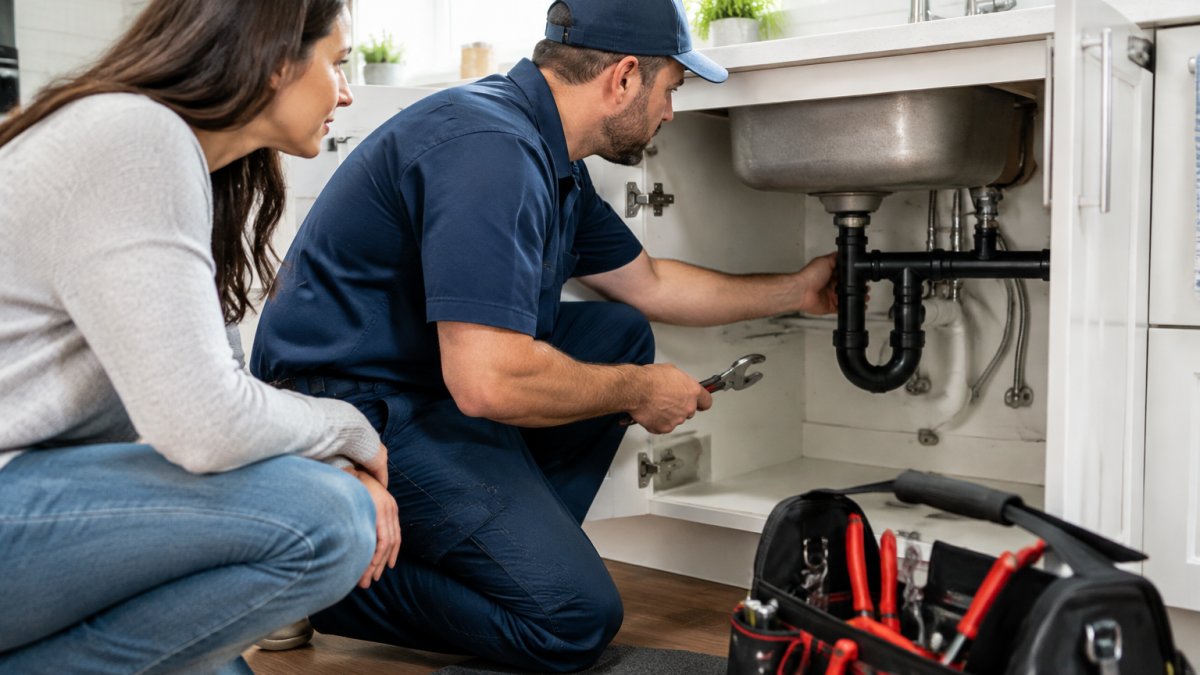
- Under-sink leaks: Check the supply lines and trap for drips, crusty mineral deposits, or water stains on the cabinet floor.
- Low water pressure: This can point to sediment buildup, a failing pressure regulator, or a partially closed valve.
- Water heater issues: Rust-colored water, popping sounds, or lukewarm showers suggest sediment in the tank or a failing element.
A quick walkthrough at each turnover catches most of these. Look under every sink, run each faucet and flush each toilet, and note anything unusual.
Building a Rental Property Plumbing Maintenance Checklist
A rental property plumbing maintenance checklist turns general intentions into specific tasks. Start with the fixtures and systems in each unit, then add the items that matter most for your building.
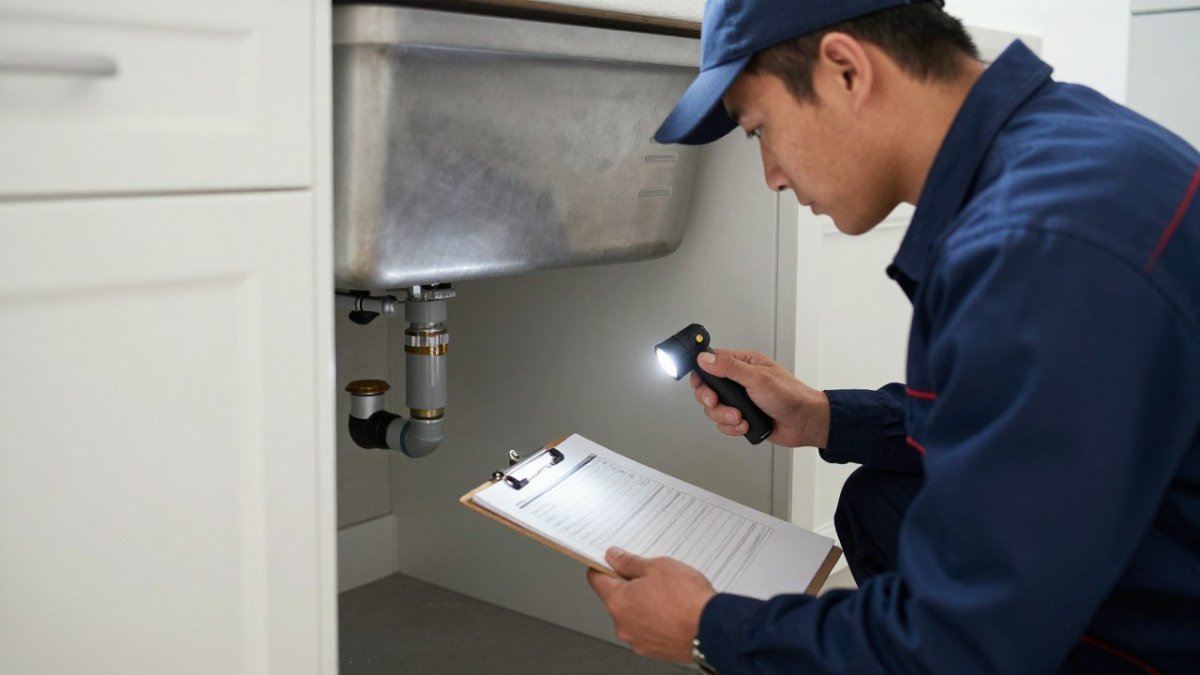
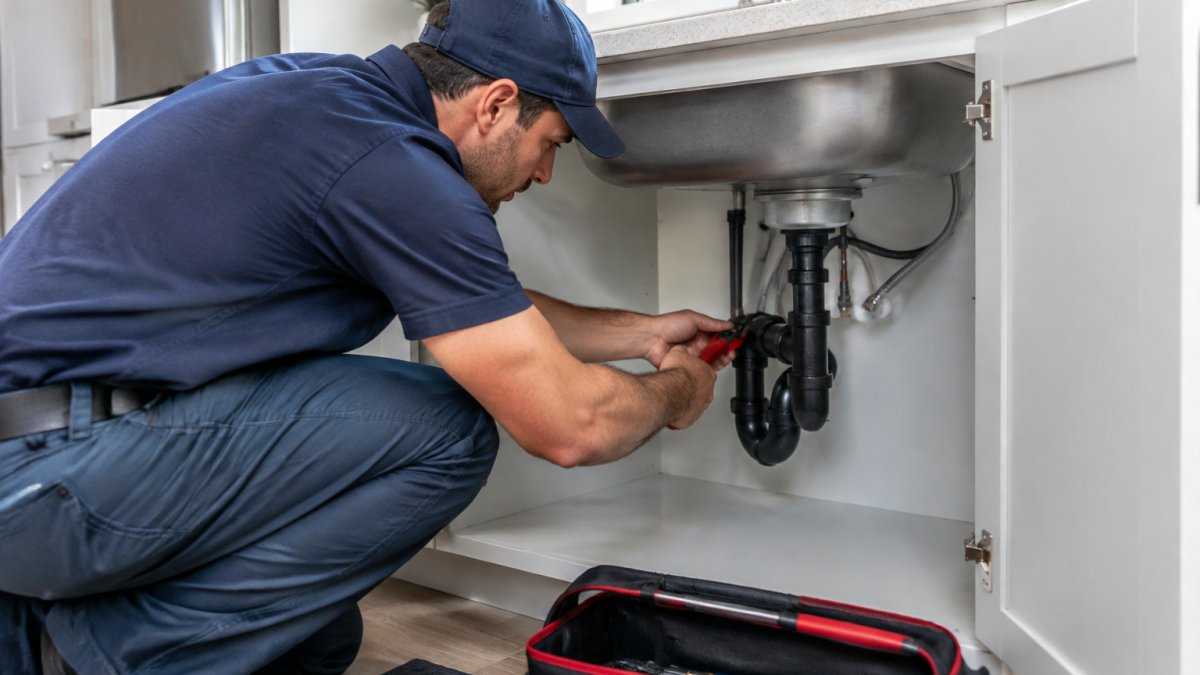
- Inspect all supply lines and drain traps under sinks for drips
- Test every faucet for flow and check for leaks at the base
- Flush each toilet and confirm the tank refills and stops
- Check toilet flappers, fill valves, and wax seals
- Run each shower and tub, checking for slow drainage and caulk failure
- Inspect the water heater for leaks, unusual noise, and temperature
- Test the main shutoff valve and label each unit's shutoff location
- Look for water stains on ceilings and walls below bathrooms and kitchens
Keep one copy of this checklist for each unit and update it after every inspection.
A Plumbing Maintenance Calendar for Rental Units
A calendar turns plumbing maintenance from a reactive habit into a predictable operating rhythm. Pair it with the unit checklist so every visit produces a written record.
Monthly Tasks (15-30 minutes per unit)
- Run every faucet and shower for at least 60 seconds and watch for slow drainage or water pooling at the base.
- Flush each toilet and confirm the tank stops refilling within about a minute; a toilet that keeps running is wasting water and usually needs a flapper or fill valve.
- Look under every sink for drips, crusty mineral deposits on supply lines, or soft cabinet floors.
- Check the water heater for leaks, popping sounds, or a temperature setting above 120°F.
- Ask tenants to report any new drips, slow drains, or running toilets in writing.
Quarterly Tasks (45-60 minutes per unit)
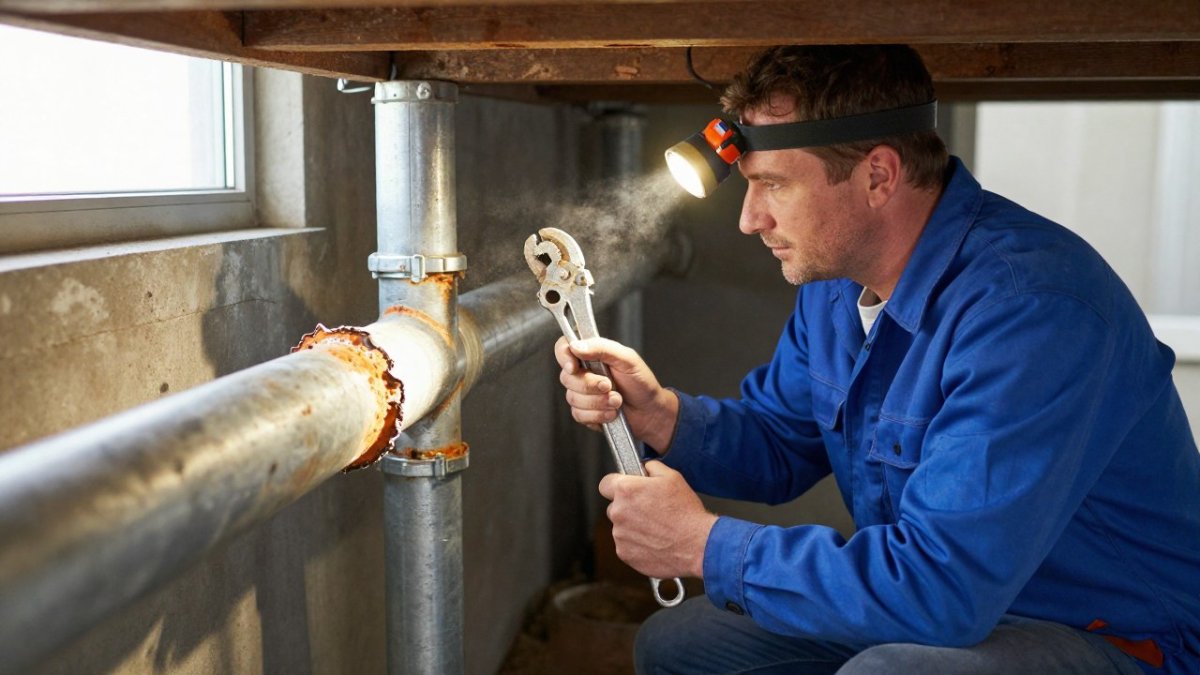
- Inspect exposed pipes in basements, crawl spaces, and utility closets for corrosion, condensation, or joint seepage.
- Test each unit's main shutoff valve and confirm it turns freely; label the valve location inside the unit.
- Check washing machine hoses for bulging, cracking, or brittleness and replace any hose showing wear.
- Inspect caulk and grout around tubs, showers, and sinks; re-caulk any gap that lets water behind the tile.
- Photograph the condition of each fixture and file the images with the unit's maintenance log.
Seasonal Tasks
Fall (before the first freeze): Insulate exposed pipes in unheated spaces, drain and cover outdoor hose bibbs, and confirm that any unit left vacant has heat set no lower than 55°F. A burst pipe from a cold snap is one of the most expensive preventable failures a landlord can face.
Spring: Flush the water heater to remove sediment, test the pressure regulator, and inspect the sewer line if the building is older or has a history of backups. Tree roots and aging cast-iron or clay lines are common culprits in older multifamily buildings.
Summer: Check irrigation shutoffs and exterior spigots, and confirm that any shared laundry room drains are flowing freely.
Annual Tasks
- Have a licensed plumber inspect the main line, water heater anode rod, and pressure regulator.
- Replace water heater anode rods on the manufacturer's recommended interval; ignoring the anode shortens tank life.
- Review the year's maintenance log for recurring issues, such as the same unit clogging every few months, which may point to a bellied line or root intrusion.
- Update the unit-by-unit checklist and photo log so the next inspection starts from a known baseline.
Multifamily and Older-Building Considerations
Shared stacks, common supply lines, and older galvanized or cast-iron pipe add risk that single-family guidance misses. Stagger inspections so you are not shutting off water to multiple units at once, coordinate notice with tenants, and watch for pressure problems that show up in upper-floor units first. If one unit reports low pressure, check whether neighboring units share the symptom before assuming the problem is inside that unit.
Watch out: skipping the fall freeze prep because a unit is vacant is a common and costly mistake, vacant units still freeze.
Documenting Work With a Rental Property Maintenance Log Template
A simple log protects you and speeds up future repairs. Record the date, unit number, the item inspected or repaired, the condition found, the action taken, and who performed the work. Attach photos of any damage and keep receipts for parts and services.
A basic template can be a spreadsheet with one row per task and columns for each of those fields. Consistent records make it easier to spot recurring problems, such as a unit where the same drain clogs every few months, which may point to a larger issue.
Budgeting for Rental Property Plumbing Maintenance Costs
Most rental plumbing budgets fail for one reason: they treat routine maintenance and emergency reserves as the same line item. Separating them makes the numbers predictable and keeps a single water heater failure from wiping out a year of planned work. Read how to avoid hidden plumbing fees so your budget isn't blindsided by surprise charges.
Routine Maintenance Costs
Routine work is the small, scheduled spending that prevents emergencies. Typical line items include toilet flappers and fill valves, supply lines, drain cleaning, caulk and grout, and annual water heater flushing. Pricing depends on your market, the fixture, and whether you use an in-house maintenance tech or a licensed plumber. Request a current quote from Aim Plumbing California through its website. Get written quotes for recurring work rather than accepting the first phone estimate.
Emergency and Capital Reserve Costs
Reserves cover failures that cannot wait: water heater replacement, sewer line clearing or repair, slab leaks, and water damage remediation. These are the bills that hurt, and they are also the ones prevention most directly reduces. Many property owners set aside a fixed monthly amount per unit for plumbing reserves and adjust it as maintenance records accumulate.
How to Set a Per-Unit Reserve
- Review the last 24 months of plumbing invoices for the property.
- Separate routine work from emergency and capital work.
- Divide the emergency total by the number of units and by 24 to get a monthly per-unit reserve.
- Add a buffer for building age: older buildings with galvanized or cast-iron pipe typically need a larger reserve than newer construction.
- Revisit the number annually using the maintenance log.
Prevention Versus Emergency Spending
The trade-off is straightforward: scheduled maintenance costs less per event than emergency repairs, and it also protects rent revenue by reducing uninhabitable-unit downtime. A slow under-sink leak caught at a quarterly inspection is a minor repair; the same leak discovered after it rots a cabinet floor and warps flooring becomes a multi-trade job. Budgeting for prevention is not about spending more, it is about moving spending earlier, when it is cheaper.
Tracking Costs Against the Maintenance Log
Record every plumbing invoice against the unit and task in the maintenance log. After a year, you can see which units and which systems are consuming the most budget, and you can decide whether to repair, replace, or investigate a root cause. That record also supports insurance claims and tenant disputes about repair history.
Watch out: setting a reserve based on a single quiet year understates risk, use at least two years of history and adjust for building age.
The article breaks rental plumbing spending into routine work, reserves, and the steps for setting a per-unit reserve.
| Step | What to do | Time or frequency |
|---|---|---|
| Review invoices | Review plumbing invoices for the property | Last 24 months |
| Separate costs | Split routine work from emergency and capital work | Before calculating |
| Calculate reserve | Divide emergency total by units and by 24 | Monthly per-unit amount |
| Add buffer | Increase reserve for older pipe systems | Based on building age |
| Revisit number | Update the reserve using the maintenance log | Annually |
Handling Tenant Reports, Repair Requests, and When to Call a Plumber
Respond to tenant reports promptly and in writing. Ask for a description of the problem, photos if possible, and whether water is actively leaking. Anything involving active water flow, sewage backup, or a gas smell needs immediate action. Learn what to do first during an emergency plumbing repair before a plumber arrives.
Tenants can safely handle a few minor issues, such as using a plunger on a toilet clog or clearing a bathroom sink stopper. Call a licensed plumber for anything involving the main line, the water heater, gas connections, or water damage behind walls. When you choose a plumber, confirm their license, insurance, and whether they will provide written documentation of the work. For ongoing service, see how to choose a commercial plumbing maintenance contract.
Scheduling Your First Plumbing Inspection for Your Rental Units
Start with a full inspection of every unit, using the checklist above. Schedule the visit when units are vacant if possible, so you can check areas that are hard to reach during occupancy. Give tenants proper written notice according to your state's requirements.
After the first inspection, set up your calendar, create a log for each unit, and identify any repairs that need professional attention. If you want a professional assessment of your building, contact Aim Plumbing California to schedule an inspection.
Aim Plumbing California serves property owners and managers in Hemet and surrounding areas. Reach out to request service or ask questions about maintenance planning for your rental units.
Frequently Asked Questions
Which maintenance services do landlords need the most?
Landlords most often need drain cleaning, leak repairs, water heater service, and toilet repairs. Clogged drains and toilets are the most frequent tenant requests, and small leaks left alone can cause water damage to floors, cabinets, and walls. Regular inspections of supply lines, shutoff valves, and water heaters catch these problems early. Pricing for any service depends on the specific repair, parts needed, and the plumber's availability, so request a written quote from a licensed plumber before approving work. Aim Plumbing California can provide current pricing and service options through its website or by requesting a quote.
Are landlords responsible for paying for plumbing repairs?
In most U.S. states, landlords must keep rental units habitable, which generally includes working plumbing, hot and cold running water, and sanitary drainage. That duty usually means the landlord pays for repairs caused by normal wear, aging fixtures, or failed pipes. Specific rules vary by state and city, so check your state's landlord-tenant statutes and local housing codes. Put repair obligations in the written lease so both parties know who handles what.
Is a blocked drain a tenant's or landlord's responsibility?
It depends on the cause. If a tenant flushes inappropriate items, grease, or hair in a way that causes the clog, the tenant often pays for the service call under the lease. If the blockage comes from tree roots, aging pipes, or a sewer line problem, the landlord usually handles it. Many leases spell out drain responsibility, so review yours. Keep records of the clog's cause and the service invoice to resolve disputes quickly.
How often should plumbing be inspected in a rental unit?
A good baseline is a visual plumbing inspection at each tenant turnover and a basic check of fixtures, supply lines, and drains at least once a year. Units with older plumbing, multiple tenants, or a history of leaks may need inspections twice a year. Water heaters, shutoff valves, and exposed supply lines are worth checking every season. Document each inspection with dates, photos, and any corrective work.
What should tenants do when they discover a plumbing leak?
Tenants should shut off the nearest valve if they can do so safely, place a bucket or towels under the leak, and notify the landlord or property manager in writing as soon as possible. Written notice, such as email or text, creates a record of the report and the date. Tenants should avoid attempting major repairs themselves, since that can void warranties or make the damage worse. Landlords should respond promptly and document the request and the response time.
How can landlords prevent plumbing emergencies in rental properties?
Preventive steps include checking for minor leaks monthly, replacing aging supply lines and water heater anode rods on schedule, cleaning drain traps, and insulating pipes in unheated spaces before winter. Leak-detection sensors near water heaters and under sinks can alert you before damage spreads. Give tenants clear guidance on what not to flush or pour down drains. Keep a list of licensed plumbers available for urgent calls.
What should a rental property plumbing maintenance checklist include?
A useful checklist covers each unit's kitchen and bathroom sinks, tub and shower caulking and drainage, toilet tanks and bases, water heater condition, visible supply lines and shutoff valves, water pressure, and drain speed. It should also note the age of major fixtures and any open repair requests. Record the date, the inspector's name, and photos of any issues. Use the same checklist for every unit so you can compare conditions over time.
How do landlords budget for rental property plumbing maintenance costs?
Set aside a percentage of rent or a fixed annual amount per unit for routine upkeep and reserve funds for larger items such as water heaters and sewer lines. Older buildings usually need larger reserves. Because costs vary with parts, labor, and access, get written estimates from licensed plumbers and track actual spending in your maintenance log. Aim Plumbing California can provide a quote for specific work through its website.