 How-to
Why Plumbing Quotes Vary So Much: 7 Reasons Prices Differ
Quick Summary
Plumbing quotes vary so much because each contractor often prices a different scope of work, even for the same described problem. Differences also come from billing structure, labor, materials and overhead such as insurance, tooling and callback risk. Compare quotes only after confirming each one covers the same tasks.
- Scope of work is the biggest driver: confirm exactly what each plumber includes before comparing totals.
- Flat-rate quotes give a fixed price, while time-and-materials billing charges hourly labor plus parts.
- Ask for a breakdown separating labor hours, parts, permit fees and any materials markup.
- A complete quote should state warranty length, whether it covers parts, and permit or inspection costs.
- A much lower bid often leaves something out, so ask the low bidder to explain each gap.
Table of Contents
- Why Two Plumbing Quotes for the Same Job Can Differ by Thousands
- Scope of Work: The Biggest Reason Plumbing Quotes Differ
- Flat Rate vs. Time and Materials: How Billing Structure Changes the Number
- Labor, Materials and Overhead: A Pricing Breakdown
- What Should a Plumbing Quote Include?
- How to Compare Plumbing Quotes Side by Side
- Plumbing Quote Red Flags and Whether Your Quote Is Fair
- Requesting a Clear, Itemized Estimate From Aim Plumbing California
- Frequently Asked Questions
Why Two Plumbing Quotes for the Same Job Can Differ by Thousands
Plumbing quotes vary so much because each contractor prices a different job, even when the homeowner describes the same problem. One plumber may include a camera inspection, a permit and a warranty. Another may quote only the labor to swap a fixture. Comparing the two totals without checking what each one covers is the most common reason people feel they were overcharged. Once you know the seven reasons below, you can line up quotes fairly and spot the gaps.
Last Updated: November 15, 2026
Scope of Work: The Biggest Reason Plumbing Quotes Differ
Scope of work is the list of tasks a plumber agrees to complete. It is the single biggest driver of price differences. A quote that says "repair leaking water heater" may mean a valve swap for one contractor and a full tank replacement for another.
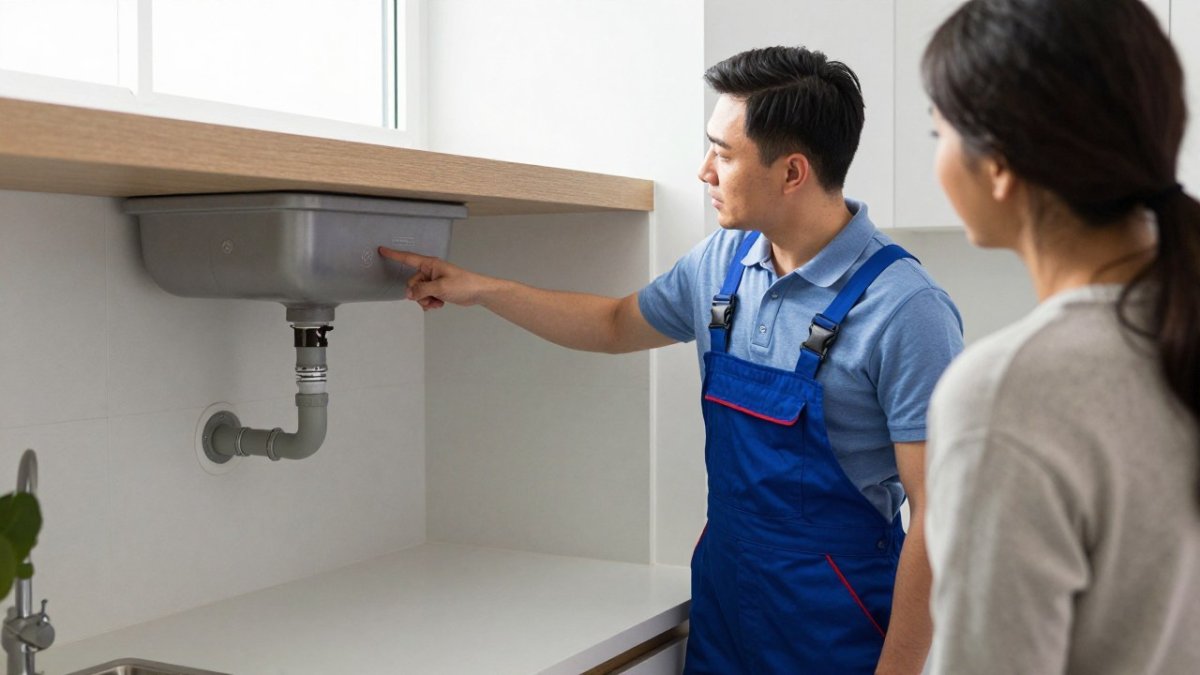
Ask each plumber to write out exactly what is included. Look for details such as pipe material, number of fittings, access work and cleanup. If one quote lists these items and another does not, the cheaper total may simply cover less work.
Watch out: a low quote that leaves out the final connection or the haul-away of old parts often becomes a second bill later.
Flat Rate vs. Time and Materials: How Billing Structure Changes the Number
Plumbers commonly bill in one of two ways. Flat-rate pricing sets one fixed price for a defined job. Time-and-materials billing charges an hourly labor rate plus the cost of parts and supplies. How a given company prices its work is something to confirm directly with that company.
Flat-rate quotes give you a predictable number, but the plumber absorbs the risk if the job takes longer. Time-and-materials quotes can climb if the work runs over, especially when hidden damage turns up behind a wall. Neither structure is automatically better. What matters is whether the quote states which method it uses and what could change the final cost. Plumbing quote examples show how hidden charges can push a quote beyond its advertised price.
Labor, Materials and Overhead: A Pricing Breakdown
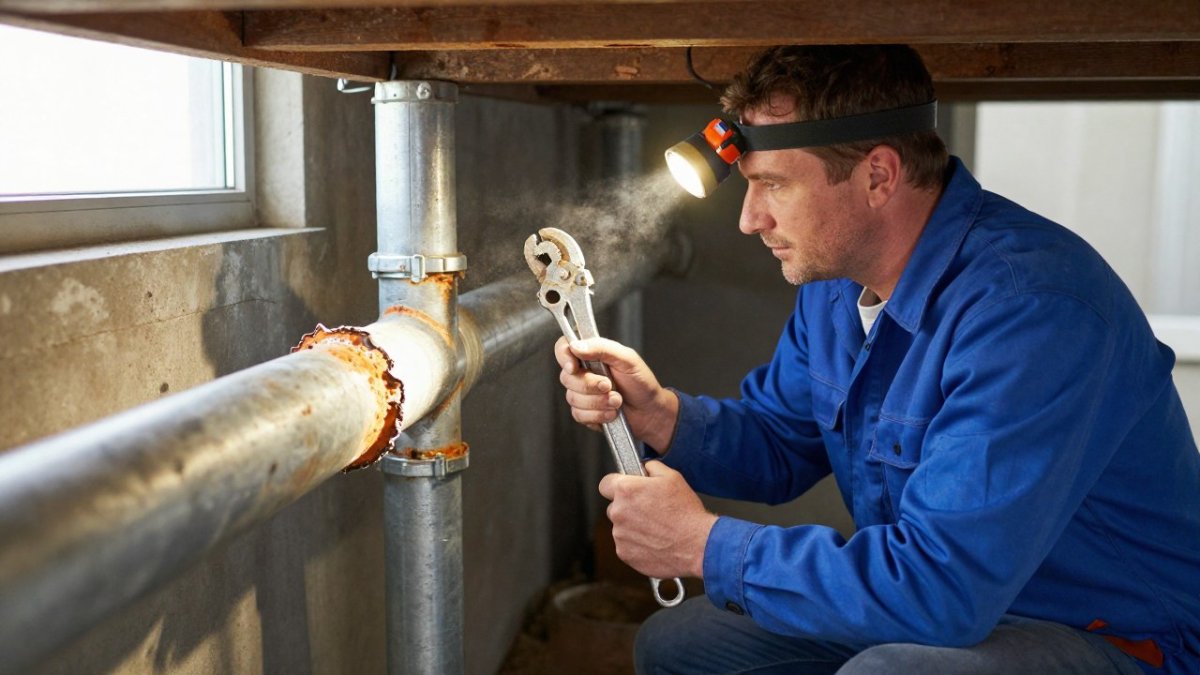
Every plumbing quote combines three cost categories: labor, materials and overhead. Labor covers the technician's time, including travel, setup and cleanup. Materials include pipe, fittings, valves, fixtures and the consumables that never show up on an invoice, solder, primer, thread sealant, shutoff valves. Overhead covers insurance, licensing, tools, vehicles, dispatch software and office staff. The reason two quotes for the same job can differ by thousands is that all three buckets are priced differently by different shops, and the biggest swing is usually in the third one. For a closer look at how corroded galvanized pipe replacement is priced in practice, see cost of replacing corroded galvanized pipes.
Start with tooling, because it is the most visible overhead difference. A plumber with a hand snake and a flashlight will quote a drain clearing differently than a plumber who arrives with a sewer camera and a hydro-jetting machine. The camera inspection alone adds time and equipment cost, but it also changes the diagnosis: a camera can show a collapsed line or a root intrusion that a snake cannot, which turns a "clear the drain" quote into a "repair the line" quote. Neither approach is wrong, but they are not the same job, and the quote should say which one it is pricing. The same logic applies to leak detection, acoustic listening equipment and thermal imaging cost money to buy and maintain, and the shops that own them price that capability into every call.
Insurance and licensing are the second overhead driver. Licensing and insurance are a real part of overhead. Shops that carry general liability and workers' compensation coverage pay for those policies whether or not a job is booked, and that cost is reflected in their pricing. Operators without that coverage may quote lower, but they also shift the risk of an on-site injury or property damage onto the homeowner. Confirm a plumber's license and insurance before you hire.
Callback risk is the third and least visible cost. Some shops price in the cost of returning to fix something for free, while others do not. That difference can account for part of the gap between quotes on the same scope.
Ask for a breakdown that separates labor hours, parts, permit fees and any materials markup. A transparent quote lets you judge whether a higher price reflects better parts, better tooling or simply higher overhead, and whether the lower price reflects a leaner shop or a thinner promise.
The article breaks a plumbing quote into three cost categories, each of which can be priced differently.
| Cost category | What it covers | Why quotes differ |
|---|---|---|
| Labor | Technician time, including travel, setup and cleanup | Hours billed and how travel is counted |
| Materials | Pipe, fittings, valves, fixtures and consumables | Parts chosen and any materials markup |
| Overhead | Insurance, licensing, tools, vehicles, dispatch and office staff | Tooling level, coverage carried, callback risk |
What Should a Plumbing Quote Include?
A complete plumbing quote should name the work, the materials, the price, the timeline, the warranty and the payment terms. To see what guarantee and warranty protection to expect with the work, read plumbing service guarantees explained. It should also state any permit or inspection costs and whether the plumber carries liability insurance and workers' compensation coverage. When those items are missing, the quote is not really a quote, it is an estimate of the easy part.
Permit and inspection fees are a line item that is easy to overlook. Local jurisdictions often require a permit for work such as water heater replacement, sewer line work and gas line modifications. The permit process itself can take administrative time, and a quote that does not mention permits may be incomplete or may assume the homeowner will handle the paperwork. Check your local building department for the requirements that apply to your project.
Warranty terms are another place where quotes can differ. Some quotes offer a labor-only guarantee, while others include parts coverage or a longer labor warranty. Ask three questions of every quote: How long is the labor warranty? Does it cover parts, or only labor? Is it transferable if you sell the house? The answers often explain a price gap that looks arbitrary on the surface.
A quote should also state its assumptions in writing. "Price assumes existing shutoff valves are functional" is a sentence that protects both sides. If the shutoff is seized, the job changes, and the price changes with it. A quote that lists its assumptions is easier to compare against another quote that lists different ones, and far easier to hold a plumber to later.
How to Compare Plumbing Quotes Side by Side
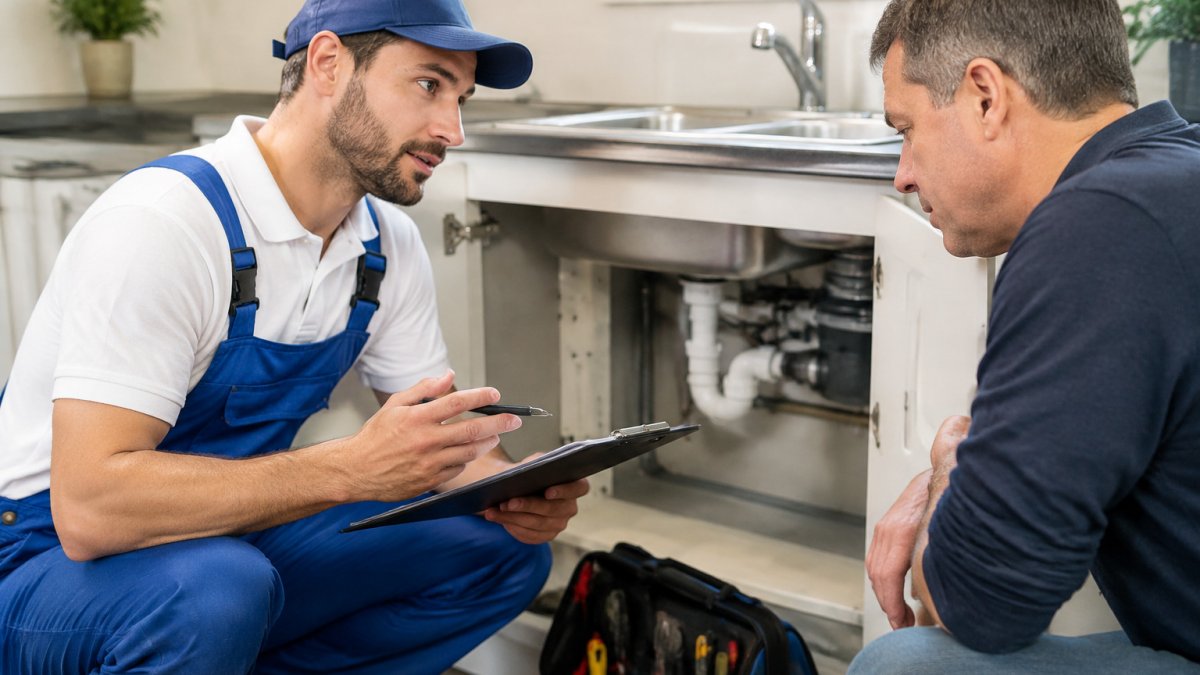
Comparing quotes works best when every plumber prices the same scope. Give each contractor the same written description of the job, and ask for the same details in return.
Use a simple checklist to line up the results:
- Same scope and materials listed
- Permit and inspection fees shown separately
- Labor and parts itemized
- Warranty length and coverage stated
- Project timeline included
- Clear payment terms
A quote that is much lower than the others often leaves something out. Ask the low bidder to explain each gap before you choose.
Plumbing Quote Red Flags and Whether Your Quote Is Fair
Some warning signs suggest a quote needs more questions before you sign. Watch for these red flags:
- A total with no line-item breakdown
- Pressure to decide the same day
- Cash-only payment requests
- No mention of permits, even for major work
- Vague warranty language or none at all
- A price far below every other bid with no explanation
A fair quote explains its assumptions and states what could change the price. If the plumber can answer your questions in plain terms, the quote is usually a solid starting point. Finding reliable local plumbers can help you vet the contractor behind the number.
Requesting a Clear, Itemized Estimate From Aim Plumbing California
When you request an estimate from Aim plumbing California, ask for a written quote that clearly describes the scope of work, materials and terms before you commit. Clear details make it easier to compare your options and avoid surprises once the work begins. Our team can walk you through each line so you know exactly what the price covers. Verify your plumber warranty coverage before you commit, and contact Aim plumbing California to request your estimate today.
BUTTON: Request Your Itemized Estimate CARD_TITLE: Want a quote you can actually compare? CARD_TEXT: Aim plumbing California provides itemized, written estimates that show exactly what each price covers.
Frequently Asked Questions
Is it normal for plumbers to charge for a quote?
Many plumbers charge a diagnostic or service call fee, typically applied toward the repair if you hire them. Whether a quote itself is free depends on the company and the job. Some providers offer free estimates for larger projects, while a visit to find the source of a leak or clog may carry a fee. Ask upfront whether the estimate is free and whether the diagnostic fee is credited toward the work. A clear answer at the start helps you compare quotes on equal terms.
How do I compare plumbing quotes for the same job?
Start by confirming that each quote describes the same scope of work, including the same fixtures, pipe materials, permit handling and warranty terms. Then compare the labor estimate, parts line items and any overhead or emergency service fees separately. A lower total can hide a narrower scope or cheaper parts. Ask each provider to explain the difference between their numbers and yours until the scope matches line for line.
Why can two plumbers give very different estimates?
Estimates diverge because plumbers assess the job differently. One may plan a spot repair while another plans to replace a longer section of pipe to avoid future failures. Differences in labor rates, markup on materials, licensing and insurance costs, and whether the price is a flat rate or time and materials also widen the gap. Compare the assumptions behind each number, not just the totals.
What are red flags in a plumbing quote?
Watch for quotes that give only a single lump sum with no breakdown, vague language such as misc. parts or as needed, and no mention of permits, warranty or cleanup. Be cautious when a price is far below every other estimate, when the provider pressures you to decide immediately, or when they ask for full payment before work starts. A reputable plumber will explain the scope, materials and terms in writing before you commit.